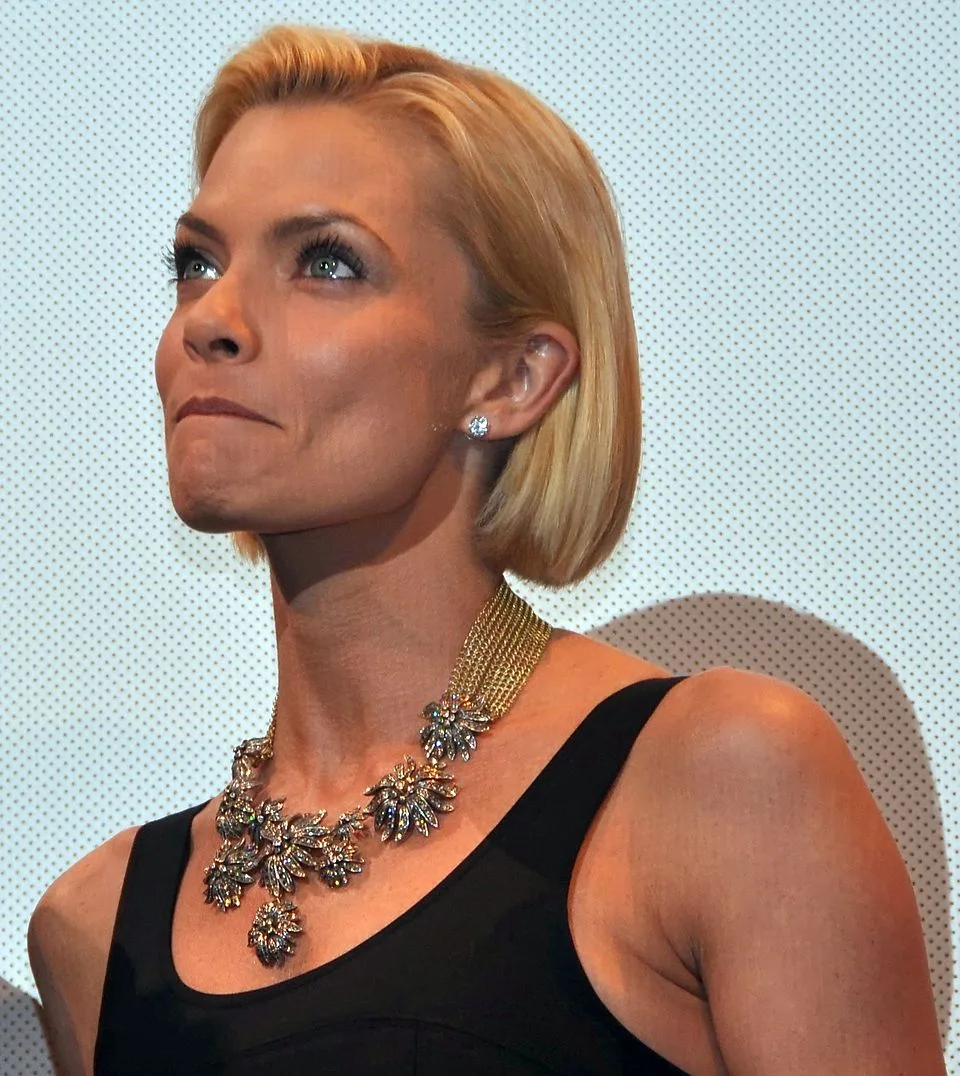
The headline update
According to Variety, Jaime Pressly’s OnlyFans profile officially launched on May 7, 2026, at 1 p.m. PT / 4 p.m. ET—a level of timing specificity trade outlets rarely invent, because it is easy for readers to falsify against the live page. That matters for a story that moved quickly through entertainment media: the difference between “sometime that week” and an explicit Pacific/Eastern window is the difference between rumor-grade copy and something you can verify on the clock.
Before the public launch, Pressly’s move had already been widely rumored in fan and tabloid chatter. Variety frames the May 7 drop as the moment those rumors consolidated into a confirmed, scheduled platform debut—not a vague “she has a link now” post buried in a story thread.
What Pressly said, verbatim to Variety
In a statement to Variety, Pressly said: “I’ve always believed in evolving with the times. This is another way for me to connect directly with my audience, on my own terms, with creativity and intention. I’ve loved meeting fans at various Comic Cons, and the excitement of having those real face to face moments made me want to seek options like OnlyFans.” That is a full-sentence public rationale, not paraphrase: it ties the platform decision to in-person fan energy (conventions) and to autonomy (her terms, intentional creative choices).
For readers new to OnlyFans: it is a subscription platform where creators charge for access to a feed—often photos, video, or chat-style interaction—rather than relying only on ad-supported social algorithms. Pressly’s wording signals she is not pitching this as a random side account; she is describing it as an extension of relationship-building she already values offline.
Who helped her launch—and what the advisor claimed
Andy Bachman, identified by Variety as CEO of Creators Inc., said he consulted on Pressly’s OnlyFans launch. His on-the-record line to the trade was: “Jaime Pressly has the rare mix of mainstream star power and a real audience connection that modern platforms reward. She’s an elite entertainer, and fans are going to love what she creates here.” Newsorga is not in a position to verify Creators Inc.’s commercial role beyond what Variety published; treat that as reported advisory positioning, not an independent audit of results.
Why include a consultant quote at all? Because celebrity platform launches are increasingly packaged: pricing tiers, posting cadence, and launch-week messaging are often coordinated the way a product drop is coordinated. Bachman’s quote is useful evidence of how the rollout is being framed to industry readers—star power plus “connection”—even if it tells you nothing yet about subscriber counts.
The Shannon Elizabeth parallel Variety highlighted
Variety notes Pressly’s debut arrived just a few weeks after her friend Shannon Elizabeth—known for American Pie and Scary Movie—launched an OnlyFans profile that Variety separately reported earned more than $1.2 million in her first seven days on the platform. That dollar figure is Variety’s reported number, sourced in its own coverage of Elizabeth; it is not Pressly’s own earnings claim and should not be read as a forecast for Pressly’s channel.
The same Variety piece connects the two actors socially: it says Pressly and Elizabeth published a joint Instagram post on April 26, with “some speculating at the time” Pressly might follow Elizabeth onto OnlyFans. Elizabeth’s caption, as quoted by Variety, is friendly reunion language—not a contract announcement—so the OnlyFans link was still inference until Pressly’s official launch window. For fans, the lesson is simple: peer momentum in creator platforms is now part of the story beat, not a hidden footnote.
Why this is not a niche move anymore
OnlyFans began with a reputation tied to adult creators, but in 2025–2026 trade coverage routinely treats it as one of several subscription “direct audience” options—alongside Patreon-style memberships, paid newsletters, and platform-native subscriptions—where a known name can test pricing, intimacy, and content boundaries without a studio greenlight.
Pressly fits a repeatable template Variety is implicitly documenting: legacy TV recognition, a pre-existing fan community, and a pitch centered on control rather than on intermediaries. Whether you find that persuasive is separate from whether the pattern is real; the pattern is what talent managers and platform partnership teams are optimizing for.
What fans can expect on her page (from launch-language reporting)
Variety and follow-on entertainment outlets describe launch-page language emphasizing exclusive photos and video, behind-the-scenes personal updates, and direct chat-style access. That trio is the standard “tiered intimacy” bundle in creator economics: enough exclusivity to justify a paywall, enough personality to feel like access rather than a static photo dump, and enough interaction hooks to drive retention.
The honest caveat: launch-week promises are not quarter-end results. The first 30–60 days usually reveal whether posting is steady, whether boundaries are clear, and whether subscribers feel the price matches the experience. Pressly’s statement about “creativity and intention” raises expectations for curation; the platform metrics, if they ever become public, would be the check on that narrative.
Career context: why this is notable for her brand
Pressly remains most associated with Joy Turner on NBC’s My Name Is Earl, a role that earned her a Primetime Emmy for outstanding supporting actress in a comedy series. Variety also notes her run on CBS’s Mom and film work including I Love You, Man—a résumé that mixes broad-network comedy with late-2000s/2010s theatrical comedy.
A recognizable broadcast-era actor joining a subscription creator platform is culturally legible in 2026 in a way it would not have been a decade earlier: audiences understand paywalled “insider” channels, and talent understands that algorithmic reach on free apps can crater overnight. The story is less “shock pivot” than “distribution hedge”—even when headlines sound sensational.
The economics talent teams watch after a launch
Industry gossip often focuses on day-one headlines, but operators typically track conversion (free buzz to paid subscribers), churn (how many cancel after the first billing cycle), and ARPU-style thinking (revenue per fan once promos end). Those metrics rarely leak for individual celebrity pages; when they do, it is usually through a friendly trade piece or a creator’s own boast—both of which deserve skepticism.
That is why Newsorga is emphasizing behavioral expectations—posting cadence, clarity, interaction—rather than pretending we know Pressly’s internal dashboard numbers. The structural point stands even without a spreadsheet: subscription products live or die on habit and trust.
Timing and strategic backdrop
Variety’s reporting implicitly argues that talent no longer needs to wait for a traditional greenlight cycle to remain commercially visible. A subscription channel can keep a name in circulation between TV seasons or film roles, and it generates first-party signals (who pays, who stays) that are valuable for future deals—even when the public only sees glamour shots.
For Pressly specifically, the Comic-Con reference in her statement is a clue about which fan cohort she believes will convert: people who already pay to travel and queue for autographs are a plausible core for a paid digital tier, provided the digital product honors the same authenticity pitch.
How this compares with peer celebrity rollouts
The rumor–hint–confirm arc Variety describes is now a recognizable PR rhythm: soft social proof, then a trade interview or statement, then platform-native proof (the live page). Some peers will treat OnlyFans as a long second act; others as a bridge between projects. Pressly’s language (“evolving with the times,” “on my own terms”) aligns with the long-act framing, but only time and posting behavior will verify that.
Readers should also expect sympathetic profiles and skeptical columns in the same news cycle—celebrity platform moves are culture-war adjacent in a way pure TV pickups usually are not. That noise is not a proxy for whether the business model works; it is a proxy for how politicized platform brands remain in public discourse.
Risks and pressure points
The recurring failure modes are boring but lethal: inconsistent uploads, ambiguous content boundaries, and a mismatch between marketing tease and what paying subscribers actually receive. For actors with a craft identity, there is an extra risk: the platform story can crowd out the work story if messaging slips into gimmickry.
There is also a simple operational risk: customer support, chargebacks, impersonation scams, and comment moderation scale poorly if a team is used to red carpets, not ticketing queues. Launch week is when those cracks are easiest to hide; month three is when they show up in reviews and chargeback rates.
Fan-side safety and authenticity checks
Impersonation spikes when search interest spikes. Variety’s ecosystem story is exactly the kind of moment where fake “official” links multiply on social reposts and SEO spam pages. The conservative playbook: start from Pressly’s verified socials or a major outlet link you recognize, then confirm the account branding and URL on OnlyFans itself before subscribing.
If a deal looks “too cheap” relative to what the headline promises, assume fraud until proven otherwise. Payment disputes on creator platforms are user-hostile compared with traditional merchandise stores; prevention beats chargebacks.
What to watch next
Over the next 4–8 weeks, the observable signals are mostly qualitative unless Pressly or a trade leaks numbers: posting frequency, whether chat promises are honored, and whether she cross-promotes the channel during interviews or other projects. If the OnlyFans presence stays siloed, it may be a contained experiment; if it becomes a recurring talking point, it is more likely a deliberate revenue line.
Longer term, compare her rollout to Elizabeth’s: Variety already gave Elizabeth a first-week revenue headline. If Pressly’s team wants similar validation, you should expect either on-the-record figures or deliberate silence—both communicate something.
Bottom line
Confirmed from Variety at update time: Pressly’s page launched May 7, 2026, 1 p.m. PT / 4 p.m. ET; she supplied a direct statement about evolving with the times, fan conventions, and connecting on her own terms; Andy Bachman of Creators Inc. is quoted as a launch consultant; and her timing follows Shannon Elizabeth’s OnlyFans debut, which Variety reported surpassed $1.2 million in seven days—a figure that describes Elizabeth, not Pressly.
The larger through-line is structural: another mainstream TV-era actor is testing subscription infrastructure as a controlled fan channel. What happens next depends less on launch rhetoric and more on whether the product behind the paywall feels deliberate—and whether subscribers agree.