Prime Minister Narendra Modi called on Indians to use petrol and diesel sparingly, bring back work-from-home and virtual meetings, postpone non-essential foreign travel for at least a year, avoid discretionary gold purchases for a year, and prefer locally made goods so the country can ease pressure on foreign exchange reserves while global energy prices remain elevated after the West Asia crisis and the US-Iran war, in a 30-minute speech on Sunday, May 10, 2026, at Parade Grounds in Secunderabad, Telangana. The appeal framed ordinary consumption choices — fuel, travel, gold, imports — as "nationally responsible" acts that complement government efforts to shield consumers from inflation and supply shocks.
Where and when
Mr. Modi spoke after virtually inaugurating and laying foundation stones for infrastructure projects worth roughly ₹9,400 crore across Telangana, including road four-laning on the Hyderabad-Panaji economic corridor, railway multi-tracking on the Kazipet–Vijayawada section, a greenfield petroleum, oil and lubricants terminal in Hyderabad, and a PM MITRA textile park in Warangal, according to The Economic Times. Union Ministers G. Kishan Reddy and Bandi Sanjay, BJP state chief N. Ramachandra Rao and other leaders attended the rally The Hindu described.
Fuel and mobility
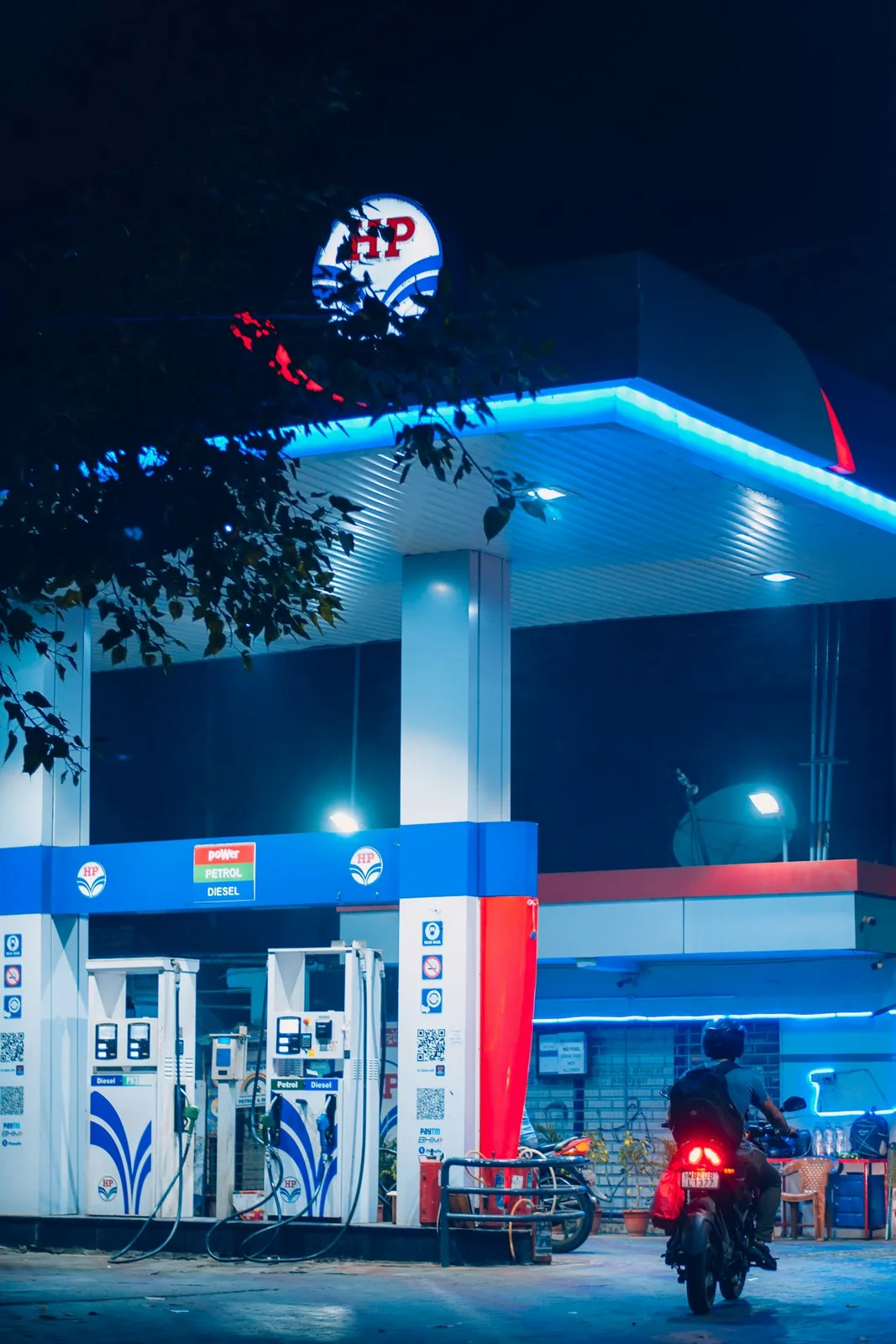
The Prime Minister asked citizens to curb petrol and diesel use, take metro rail where it exists, carpool when private vehicles are necessary, shift freight to railways, and maximise use of electric vehicles where people already own them — a bundle of measures aimed at trimming India’s oil-demand footprint without waiting for a settlement of the Strait of Hormuz crisis that has tightened global crude markets.
Work-from-home and the Covid parallel
Mr. Modi explicitly drew a parallel with the Covid-19 period: India had already built habits of remote work, online conferences and video meetings, he said, and "if we restart these systems, it will be in the national interest" — language carried by The Economic Times from event reporting. The Hindu summarised the same point: revive work-from-home, online conferences and virtual meetings to cut commuting-related fuel burn.
Forex: gold, travel and weddings abroad
To conserve foreign exchange, he urged avoiding non-essential gold purchases for one year, postponing overseas vacations and destination weddings for at least a year, and choosing domestic tourism and celebrations within India, The Hindu reported. Conserving reserves was cast as patriotism, not austerity for its own sake — a rhetorical bridge between household balance sheets and the Reserve Bank of India’s headline reserves position.
Imports and 'Vocal for Local'
Mr. Modi renewed the "Vocal for Local" campaign, asking families to examine daily purchases — shoes, bags, accessories — that often come from abroad: "How can the nation progress if we depend on imports for everything?" He stressed Swadeshi as "not merely a BJP slogan" but "a national policy," per The Hindu’s quotation. The Economic Times noted his warning that prolonged supply-chain disruption from geopolitical tensions would keep raising economic difficulties even when domestic policies try to cushion the blow.
Farmers, fertiliser and edible oil
On agriculture, Mr. Modi linked chemical fertiliser overuse to soil damage and import dependence, urging farmers to cut chemical fertiliser use by up to half and move toward natural farming, and to prefer solar-powered irrigation over diesel pumps The Hindu reported. He asked households to reduce edible oil consumption, arguing it would help both public health and reducing import reliance — India still imports a large share of its cooking-oil needs.
Context: subsidies and global shocks
The Hindu placed the speech in the wider frame of elevated global crude and an energy crisis tied to the US-Iran war, alongside lingering effects of the Covid-19 shock and Russia’s war in Ukraine on food, fuel and fertiliser prices. Mr. Modi said the Centre was shielding farmers from international fertiliser prices — bags costing nearly ₹3,000 overseas supplied for under ₹300, according to his remarks as reported — while acknowledging that protection cannot be unlimited if import bills stay high.
Separately, The Hindu’s business desk has tracked the fiscal scale of insulating consumers from the energy shock — on the order of roughly ₹1,600 crore to ₹1,700 crore per day, adding up to about ₹1 lakh crore over ten weeks in one estimate — underscoring why the Prime Minister’s appeal to voluntary demand restraint matters for forex and the fiscal position at once.
Patriotism beyond the battlefield
Patriotism, Mr. Modi argued, is not only sacrifice in uniform but "discharging responsibilities towards the nation during difficult times" — a line aimed at broadening buy-in beyond any single party. He asked media and civil society to amplify the message and said safeguarding national interests was not the job of government alone.
What it does not change overnight
Newsorga notes the limits of any voluntary conservation drive: India remains the world’s third-largest oil importer and consumer; gold and foreign travel are culturally embedded spending categories; and work-from-home depends on employer policy, not speeches alone. Still, Sunday’s address signals how New Delhi is publicly threading energy security, current-account stress and household behaviour into one narrative while Hormuz remains contested and Brent trades at elevated levels.
What to watch next
Watch whether state governments and large private employers echo WFH flexibility, whether gold imports and outbound travel data show any dip in June-July statistics, and whether retail fuel prices move if global benchmarks spike again — the government had sought to avoid passing through the full shock to pumps, which raises the underlying subsidy or tax-adjustment arithmetic Mr. Modi alluded to indirectly through his emphasis on national resilience.